Mexico extends birthright citizenship to children born in the country, just like the U.S.
03, Jul 2026Petit Frere fled Haiti in 2019. She traveled from Brazil and walked through the Panamanian jungle to Mexico chasing the so-called American Dream with the intention of crossing the border and settling with relatives in Florida. But she soon learned that was an illusion, while Mexico opened its doors.
Her restaurant’s name symbolizes in her Haitian culture a shared space affording a sense of belonging. On the walls she has framed signs in Spanish, English and Creole that make clear it is more than an eatery offering tasty traditional Haitian dishes, such as fish with plantains, and rice and beans.
“Every dish tells a story, every detail connects cultures,” one sign says. “We aim to promote an authentic cultural exchanges between two peoples with similar historical roots yet where Haitian identity proudly blossoms on Mexican soil.”
In just over five years in Tijuana, Petit Frere has established a thriving business, become fluent in Spanish and is getting a degree in social work.
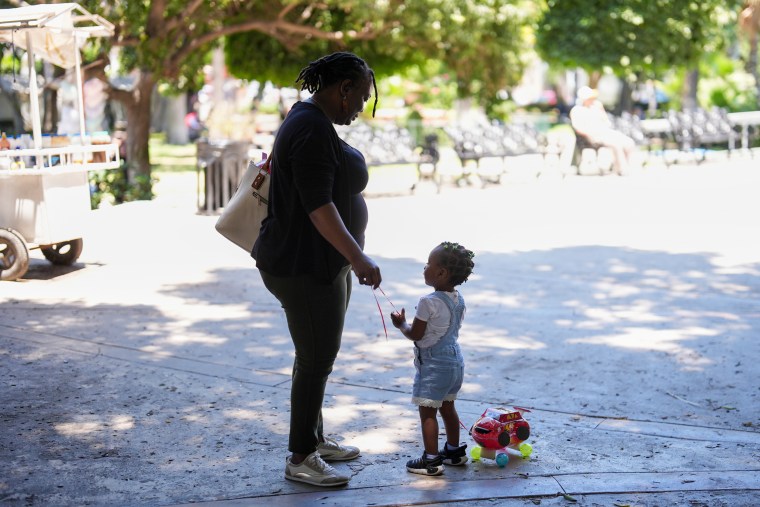
And she welcomed the first-generation Mexican in her family, her granddaughter, Alexca.
There are no figures on how many children born to noncitizens have received Mexican birthright citizenship. Tens of thousands of Haitians are living in Mexico. In 2021, when Mexico saw a significant increase in Haitian migration, at least 10% of arriving Haitian women were pregnant, according to the United Nations’ International Organization for Migration.
Citizenship and birth
In the U.S., birthright citizenship was enshrined after the Civil War through the 14th Amendment to the Constitution, in part to ensure former slaves would be citizens.
The right was expanded to immigrants’ children in the late 1800s when the Supreme Court ruled nearly anyone born in the U.S. — no matter their parents’ legal status — has citizenship.
The practice, many legal historians believe, dates to the 1600s and 1700s, with European rulers encouraging migration to the expanding American colonies. Those colonists, though, wanted any of their children born overseas to retain European citizenship.
So even as the colonial boundaries shifted “you’re a citizen as long as you’re born within the domain of the king, of the monarch,” said César Cuauhtémoc García Hernández, a law professor at Ohio State University. “But the legal tie between the home country in Europe and the settlers remained strong through the promise of birthright citizenship.”
Dominican Republic removed birthright citizenship
In 2007, the Dominican Electoral Council officially ordered the denial of citizenship to all children born to parents without legal status.
Six years later, a Dominican court applied it retroactively to 1929.
Over a decade later, as many as 130,000 people remained stateless despite passage of a law in 2014 to correct the court decision after it drew strong international condemnation, according to the Center for Migration Studies of New York. The law now impacts the next generation, which remains vulnerable to deportation.
Her growing Mexican family
Petit Frere was born in French Saint Martin, a Caribbean island that does not offer automatic birthright citizenship. She and her mom, who is Haitian, were deported to Haiti when she was 6.
Petit Frere left Haiti seeking a better life. She was dismayed to discover when her teenage daughter left Haiti to be reunited with her in Tijuana three years later, she was nearly five months pregnant. She had been a teen mother herself and had hoped for a different path for her daughter.
But Alexca, a bubbly toddler who giggles and runs about, has conquered her grandmother’s heart. Petit Frere said she’s grateful her granddaughter was born in Mexico rather than Haiti, where surging gang violence has left more than 1 in 10 homeless.
A Mexican passport would also make travel easier. Traveling with a Haitian passport is considered extremely difficult, with few nations allowing holders to visit visa-free.
“As a Mexican citizen, she will have more opportunities,” Petit Frere said.
That’s also true for her three nieces who were born in Brazil and made automatic citizens there, she said.
Petit Frere said she and her daughter had permanent residency in Mexico before her granddaughter was born. But other parents in Tijuana’s Haitian community did not. Mexico allows the parents of children with birthright citizenship to become permanent residents.
“There are a lot of children in Tijuana who are 6, 7, 8 years old now who are Mexican and their parents who are Haitian did not have legal status but now have become permanent residents because their children were born here,” she said.
Petit Frere has started the paperwork to become a Mexican citizen, which would make it easier to expand her business, she said.
Petit Frere also is a community organizer with the Haitian Bridge Alliance, advocating for the Haitian migrant community. She said she hopes to pursue another degree in international migration, possibly through a U.S. university.
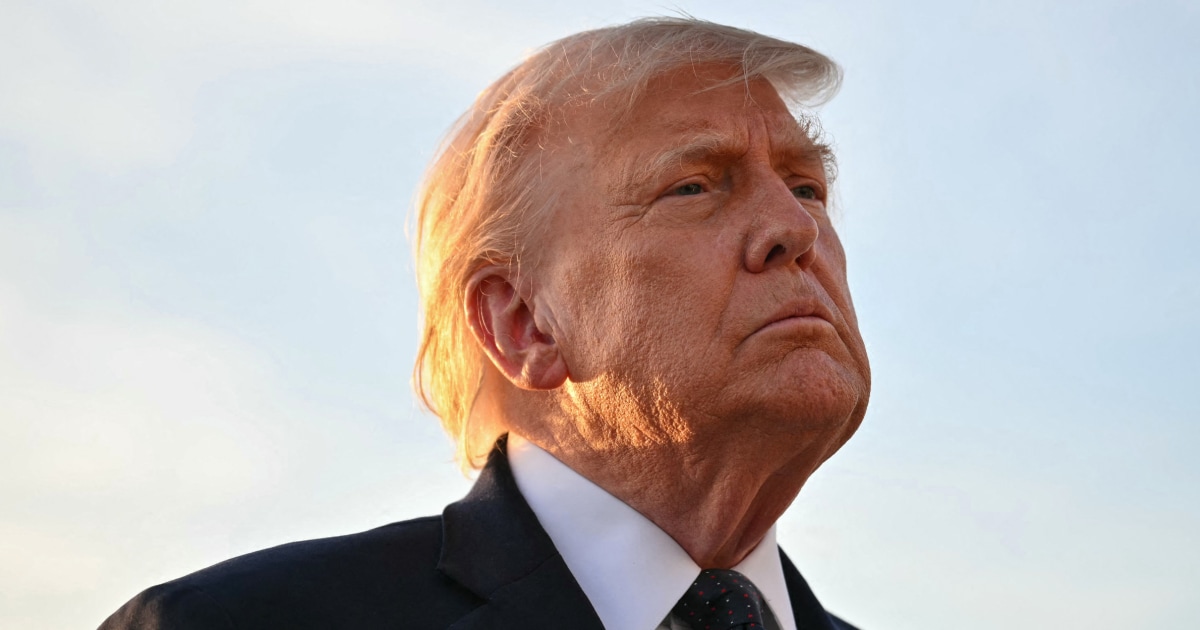
“The children of immigrants are proving to be the most outstanding in the world,” she said. Trump’s efforts to limit birthright citizenship “could just be out of jealousy.”