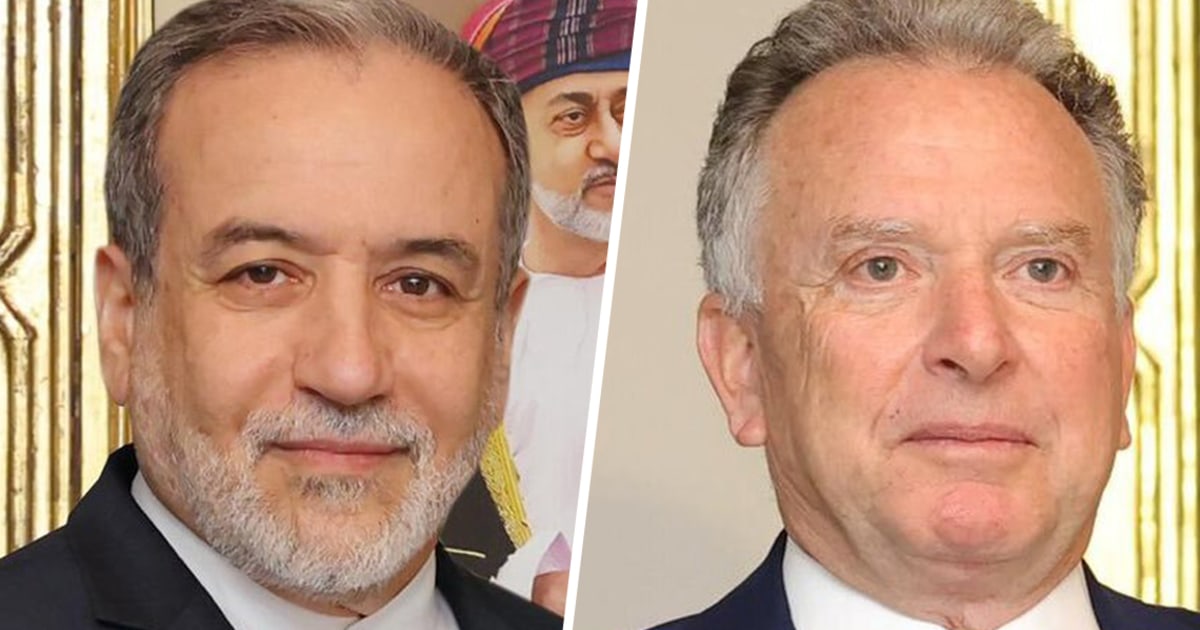
Two former Israeli prime ministers agree to merge parties against Benjamin Netanyahu
28, Jun 2026The two leaders have served in coalition before and will seek to unite a fragmented opposition with little in common — beyond a shared hostility toward Netanyahu.

April 26, 2026, 10:59 AM EDT / Source: The Associated Press
JERUSALEM — Two Israeli political heavyweights on Sunday said they would join forces in upcoming elections in a shared effort to unseat longtime Prime Minister Benjamin Netanyahu.
Naftali Bennett and Yair Lapid served as prime ministers in a rotation agreement as part of a coalition government they formed in 2021. They now plan to merge their parties into single faction headed by Bennett.
"The move is intended to unite the bloc, put an end to internal divisions and focus all efforts on winning the critical upcoming elections," Lapid's Yesh Atid party said in a statement.
Bennett and Lapid scheduled a joint news conference later on Sunday.

FORSUBSCRIBERS

Is Israel using the "Gaza Model" in Lebanon?
03:00
The 2021 coalition agreement ended 12 years of Netanyahu rule. Bennett served as prime minister for the first year until their coalition fractured. Lapid then held the top job as caretaker prime minister for the final six months until new elections brought Netanyahu back to power.
Lapid has served as Israel's opposition leader since that time, while Bennett took a break from politics.
The two men have ideological differences. Bennett is an Orthodox Jew with hard-line views toward the Palestinians, while Lapid is secular and seen as more moderate. But they enjoyed a close working relationship during their short-lived coalition.
Their alliance is aimed at uniting a fragmented opposition that appears to have little in common beyond their shared hostility toward Netanyahu.