Ukrainian athlete seeking to honor killed countrymen loses appeal to compete at Olympics
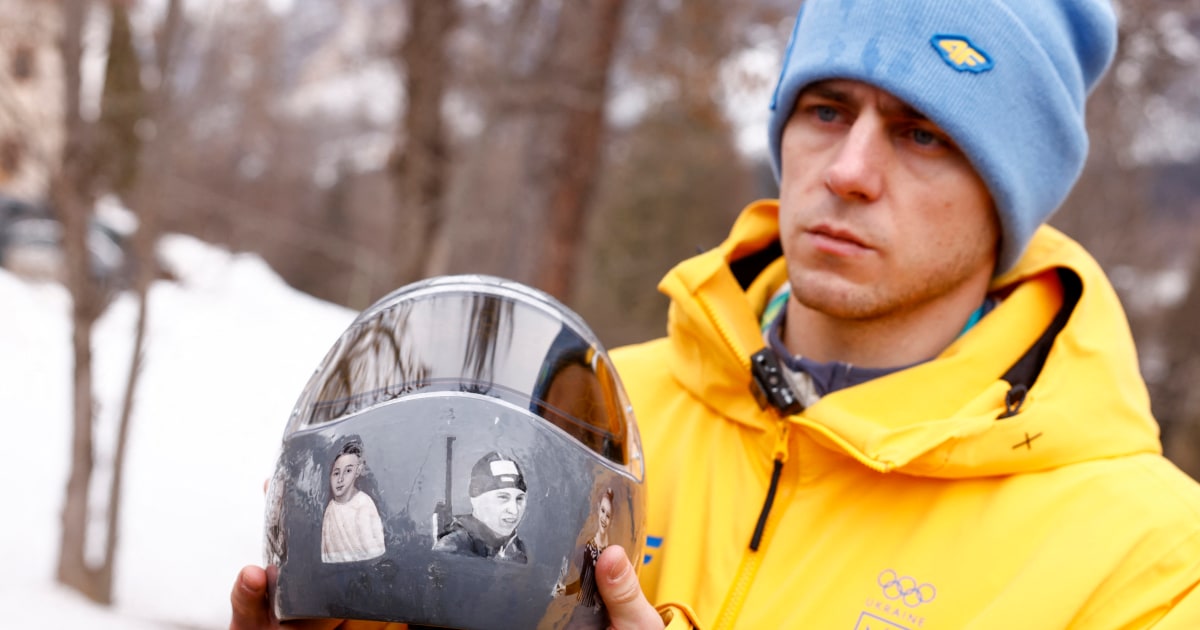
14, Jun 2026Ukrainian skeleton racer Vladyslav Heraskevych remains barred from Olympic competition, the Court of Arbitration for Sport ruled Friday, upholding his earlier disqualification for wearing a “helmet of remembrance” for his countrymen killed by Russia.
Heraskevych, 27, had refused to back down on wearing the helmet, telling NBC News that some things “are more important than medals.”
He was removed from the schedule at the Milan Cortina Olympics shortly before he was due to compete on Thursday, after the Bobsleigh and Skeleton Federation ruled that his helmet breached its rules on political neutrality.
Follow along for live coverage
Ukrainian President Volodymyr Zelenskyy met with Heraskevych and told him that while medals are important, “what matters most, to my mind, is who you are.”
He also presented Heraskevych with the nation's Order of Freedom medal.
"Ukraine will have both champions and Olympians," Zelenskyy said, according to a statement from his office Saturday, local time. "But above all, Ukraine’s greatest asset is Ukrainians. You embody that kind of person."
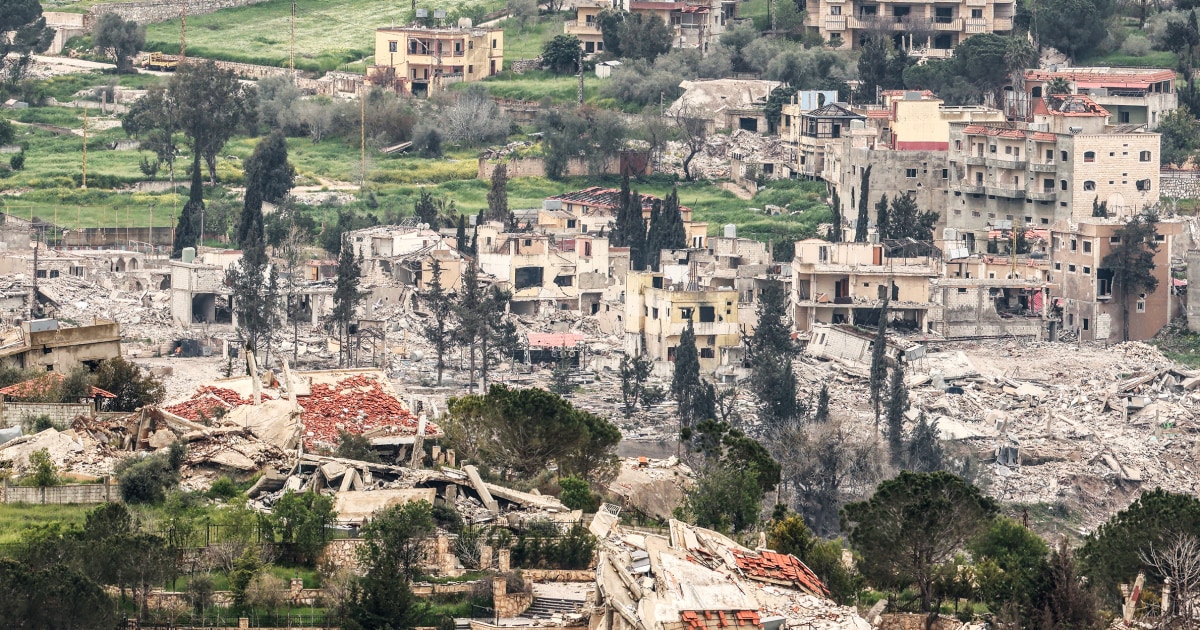
Zelenskyy’s office previously listed the athletes honored on Heraskevych’s helmet, including gymnast Kateryna Diachenko, killed with her family in Russian strikes on Mariupol in March 2022, and boxer and soccer player Nazar Zui, killed with his parents when the same offensive struck the residential high-rise where they lived.
Heraskevych said the "whole world is now truly talking about the athletes depicted on this helmet," and that it has drawn attention to Ukraine, according to the statement from Zelenskyy's office.
Heraskevych filed an application Thursday with the Court of Arbitration for Sport. The entire procedure in front of the court took 24 hours, the court said.
The independent Court of Arbitration for Sport said in a statement there was no authority to override the Games’ prohibition on political messaging, which it found reasonable, during competition on the field of play.
The court, established by the International Olympic Committee in 1984 to serve as an independent authority to settle disputes, emphasized that it supports Heraskevych’s message — just not on its main global stage.
“The Sole Arbitrator appointed for this matter wished to state that she is fully sympathetic to Mr. Heraskevych’s commemoration and to his attempt to raise awareness for the grief and devastation suffered by the Ukrainian people, and Ukrainian athletes because of the war,” it said in a statement.
The arbitrator concluded, according to the statement, that the Olympics’ messaging limitations are reasonable against the backdrop of other opportunities to speak, including press conferences, training runs, and statements on social media.
The limitations, the court said, serve to maintain focus on competition. “The Sole Arbitrator is bound by such proportionate rules and has no means to override them,” it said.
Rule 50.2 of the Olympic Charter forbids any "kind of demonstration or political, religious or racial propaganda."
Heraskevych told NBC News that the IOC told him that the helmet also violates part of rule 40, which he said is about the media and how athletes can express themselves at the Games.
IOC President Kirsty Coventry said Thursday that Heraskevych “did not consider any form of compromise” during several meetings. “No one, no one — especially me — is disagreeing with the messaging. The messaging is a powerful message.”
Both she and the IOC, in a statement, said the athlete had been allowed to wear the helmet in training, but it drew the line at him donning it for competition.
Almost into its fifth year of a full-scale invasion by Russia, Ukraine’s government has said it was a “moment of shame” for the International Olympic Committee.
Zelenskyy’s office has said Russian forces have killed 660 Ukrainian athletes and coaches during the war. It argued Russian athletes competing in Milan under neutral flags should be disqualified.
The damage may go beyond the Olympic controversy, as the racer said he was now getting threats from Russians, for which he blames the IOC’s decision.
“I believe that these Games now and this act of the IOC also serves as an instrument of propaganda for Russia,” Heraskevych said. “I still receive a lot of threats from the Russian side.”
On Thursday, he told NBC News, “I believe I am right in this case,” he said. "For me to back down is betraying" those pictured on the helmet.