Newly released photos show Rosa Parks at the Selma-to-Montgomery march in 1965
07, Jul 2026MONTGOMERY, Ala. — Seven decades after Rosa Parks was thrust indelibly into American history for refusing to give up her bus seat in Montgomery, Alabama, new photos of the Civil Rights Movement icon have been made public for the first time, and they illustrate aspects of her legacy that are often overlooked.
The photos were taken by the late Civil Rights photographer Matt Herron, and they depict Parks at the march from Selma to Montgomery in 1965 — a five-day-long, 54-mile (87-kilometer) trek that is often credited with galvanizing political momentum for the U.S. Voting Rights Act of 1965.
History lessons tend to define Parks by her act of civil disobedience a decade earlier, on Dec. 1, 1955, which launched the Montgomery Bus Boycott. On Friday, some boycott participants and many of the boycott organizers’ descendants gathered to mark 70 years since the 381-day struggle in Alabama’s capital caught national attention, overthrowing racial segregation on public transportation.
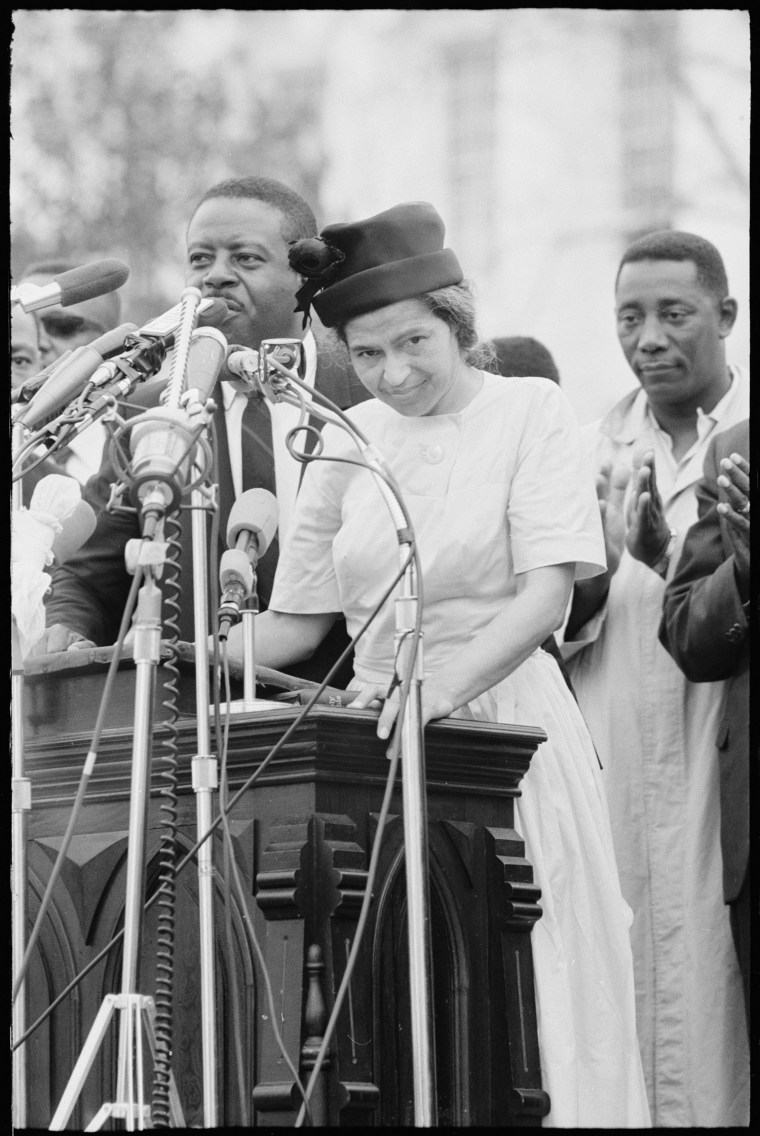
The never-before-seen photos released to the Rosa Parks Museum in Montgomery on Thursday, taken a decade after the boycott, are a reminder that her activism began before and extended well beyond her most well-known act of defiance, said Donna Beisel, the museum’s director.
“This is showing who Ms. Parks was, both as a person and as an activist,” Beisel said.
Never printed before
There are plenty of other photos placing Parks among the other Civil Rights icons who attended the march, including some that were taken by Herron. But others were never printed or put on display in any of the photographer’s numerous exhibits and books throughout his lifetime.
Herron moved to Jackson, Mississippi, with his wife and two young kids in 1963 after Civil Rights activist Medgar Evers was assassinated. For the next two years, his photos captured some of the most notable people and events of that time. But in most of his photos, Herron’s lens was trained on masses of everyday people who empowered Civil Rights leaders to make change.
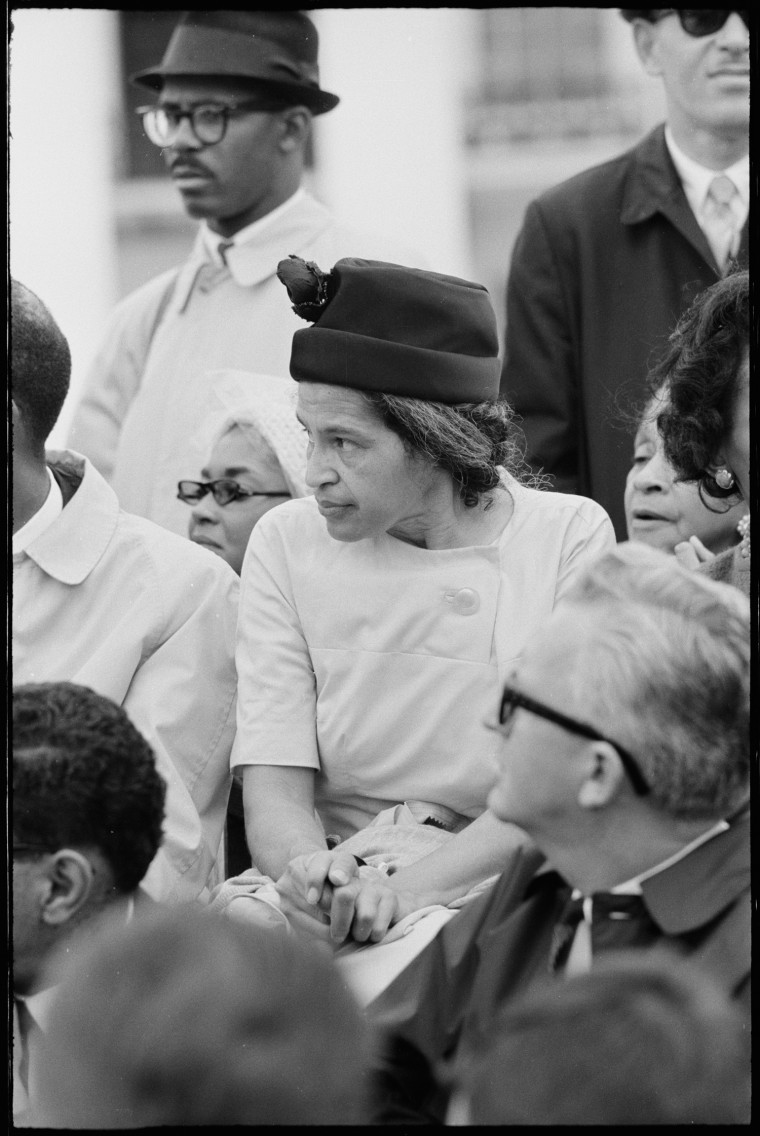
Herron’s wife, Jeannine Herron, 88, said that the photos going public this week were discovered from a contact sheet housed in a library at Stanford University.
The photos weren’t selected for print at the time because they were blurry or included people whose names weren’t as well known in Parks’ case, the new photos show her sitting among the crowd, looking away from the camera.
Now, Jeannine Herron is joining forces with historians and surviving Civil Rights activists in Alabama to reunite the work with the communities that they depict.
“It’s so important to get that information from history into local people’s understanding of what their families did,” Jeannine Herron said.
A joyous reunion
One of Herron’s most frequent subjects throughout the Selma to Montgomery march was a 20-year-old woman from Marion, Alabama, named Doris Wilson. Decades after he captured her as she endured the historic march, he still expressed his desire to reconnect with her.
“I would love to find where she is today,” Herron said in a 2014 interview among Civil Rights activists and journalists who witnessed that transformative period in the Deep South.
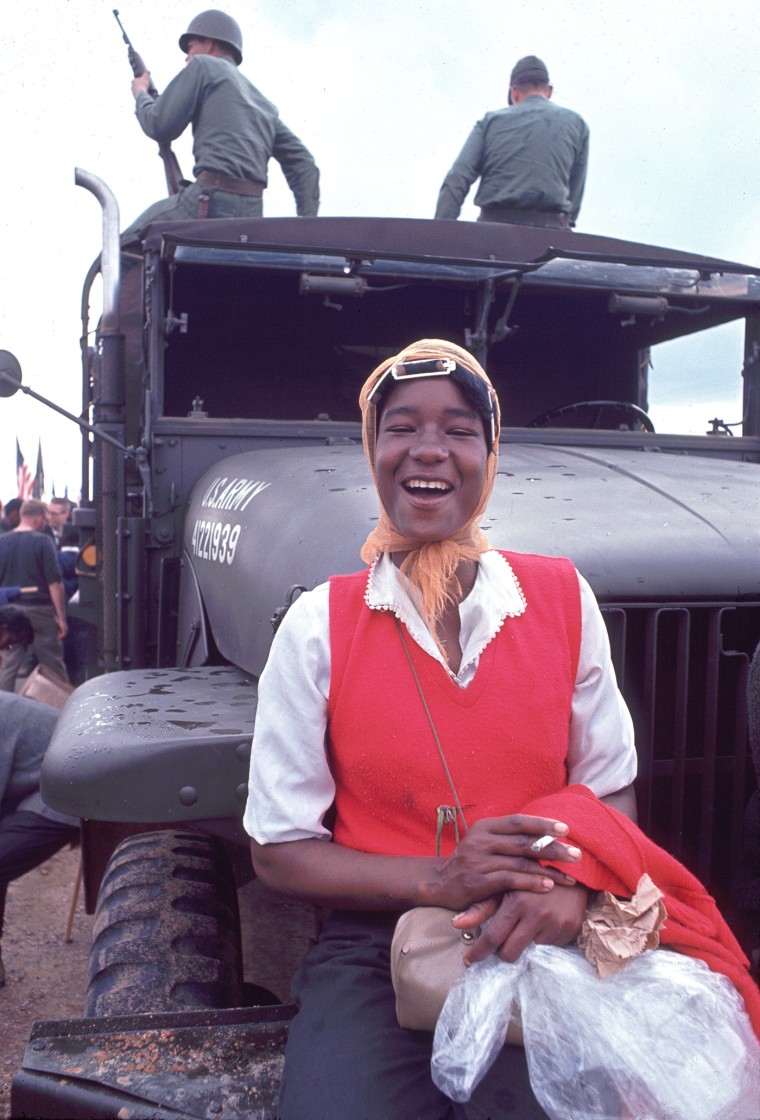
Herron died in 2020, before he had the chance to reconnect with Wilson. But on Thursday, Wilson joined other residents of Marion, a rural town in the Black Belt of Alabama. Milling around an auditorium in Lincoln Normal School, a college founded by nine formerly enslaved Black people after the Civil War, people looked at black and white photos that Herron took over the years, pointing out familiar faces or backdrops.
Some photos were familiar to the 80-year-old. But others, including ones where she was the subject, Wilson had never seen before.
One of the photos depicts Wilson getting treatment at a medical tent along the path of the march. Wilson had intense blisters on her feet from walking over 10 miles each day.
The doctor who was tending to her injuries, June Finer, also flew in from New York to reunite with Wilson for the first time since Finer gently cared for Wilson’s bare feet six decades earlier.
“Are you the one who rubbed my feet?” Wilson asked, as the two women laughed and embraced. Finer, 90, said she wasn’t even aware that people were taking photos — she was laser-focused on the safety of the marchers.